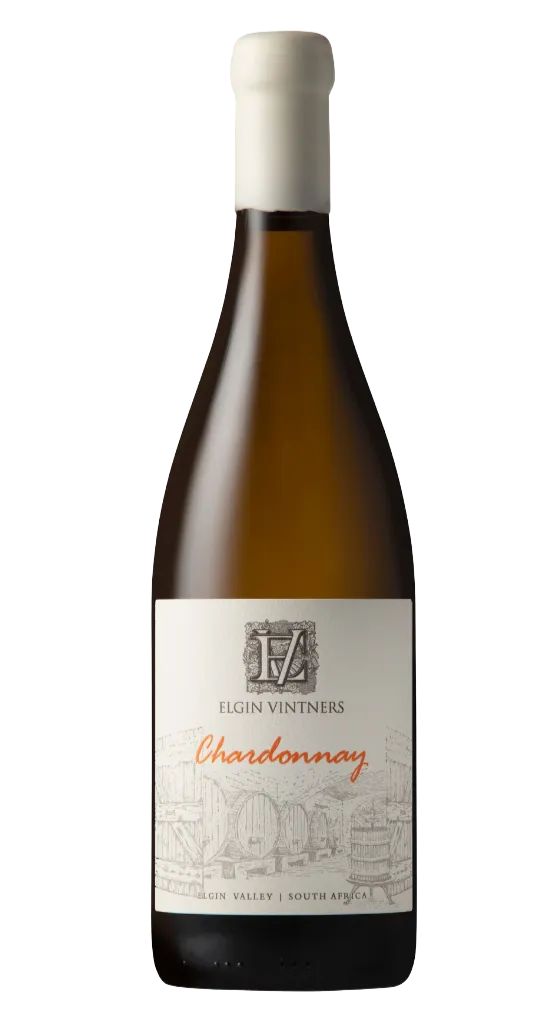
This wine was fermented in French oak using mainly indigenous yeast. 40% of the barrels were allowed to go through malolactic fermentation, resulting in a complex and layered wine with a bone-dry finish. Hints of apple and white stone-fruit give way to a zesty orange-peel finish. A medium-bodied wine that pairs beautifully with any array of different foods, but it is also fresh enough to be drunk as a stand-alone, fulfilling, mouth-watering thirst-quencher.
100% Chardonnay
W.O. Elgin
The 2024/25 growing season was almost perfect. A cool, late spring eased gently into summer over the festive season, with Veraison being a week later than the previous campaign, due to moderate and well-watered early-summer months. By the time we got into February though, the heat was full-on and everything started ripening at a pace.
The 2025 vintage was once again, for different reasons, very challenging. Early-ripening varieties dominated, with 80% of my grapes harvested within the first 10 days of harvest (last two weeks of February)! Possibly the busiest 10 days of my life – picking Chardonnay, Pinot Noir, Sauvignon Blanc and Syrah for Rose one after the other and sometimes, simultaneously. The press was in action almost 24/7 for two weeks of white and rose grapes. We even had to squeeze the Pinot Noir directly into wooden Vats early-morning and late into the evenings. Then, the harvest stopped for almost two weeks while we waited for the Syrah to ripen for red wine. During this moment of calm after the frenetic pace of the past two weeks, fermentations were spontaneous and harmonious.
Thankfully, we picked the Chardonnay grapes at an average of around 21.3 Balling. We removed the berries from the stems and lightly crushed them before filling the press. We pressed the grapes and separated the juice from the skins. Then, we transferred the juice to a stainless-steel tank at 12 °C. After settling overnight, we racked it into 500 L barrels and a 4 000 L oak foudre where the juice was allowed to warm slowly, with natural fermentation starting two days later. Most of the wine fermented with indigenous vineyard yeast. A small portion of barrels received a yeast inoculation at the end to complete residual sugar. Fermentation lasted just over 30 days. Afterward, the wine matured on the lees in the same barrels. About 50% underwent spontaneous malolactic fermentation.
This process produced a medium-bodied, refreshing wine with 13% vol alcohol. It offers a complex, layered character with a bone-dry finish. Hints of apple and white-stone fruit give way to a zesty, orange-peel finish. The eight months maturation period on the lees in French Oak barrels really compliments the body of the wine and the wood is superbly well-integrated. Less than 10% new oak wood was used so as not to dominate the flavour and texture of the Chardonnay grape.
Though perfect to consume on its own as a refreshing thirst-quencher, this wine has enough depth and complexity to pair with a multitude of dishes including any fish or seafood, white meats, garlic snails, cream and/or cheesy sauces, citrus-based desserts (e.g., lemon cheesecake!) or simply accompanied by good friends. I am even convinced this wine will convert the ABC Club (anything but Chardonnay).